Types of Diabetes: Common, Rare & Lesser-Known Forms Explained
Published: 5 Feb 2026
Diabetes is a long-term health condition that affects how your body turns food into energy. In simple words, diabetes happens when the level of sugar (glucose) in the blood becomes too high because the body does not make enough insulin or cannot use insulin properly.
Many people think diabetes is only one disease, but this is not true. There are different types of diabetes, and each type has its own causes, symptoms, and health risks. That is why understanding the types of diabetes is important for everyone—not just patients, but also families, students, and people who want to stay healthy.
Knowing the types of diabetes helps you understand how the condition starts, who is at risk, and why proper diagnosis matters. Whether you are learning for awareness or searching for clear information, this guide will help you understand diabetes in an easy and simple way.
How Diabetes Is Classified
Diabetes is classified based on how the body produces and uses insulin and what causes high blood sugar levels. Doctors and health experts divide diabetes into different groups so that each type can be identified, understood, and managed correctly.
The main way diabetes is classified depends on:
- Whether the body makes insulin or not
- How well the body uses insulin
- When and why the condition develops
This classification helps explain the different types of diabetes because not all diabetes works in the same way. Some types are caused by the immune system, some are linked to lifestyle and genetics, while others appear during pregnancy or due to specific medical conditions.
Most health organizations classify diabetes into common types and less common or rare types. The common types include Type 1 diabetes, Type 2 diabetes, and gestational diabetes. Other forms include genetic diabetes, diabetes caused by pancreatic diseases, and diabetes linked to certain medications.
Understanding how diabetes is classified makes it easier to:
- Recognize symptoms early
- Understand risk factors
- Learn why treatment and management differ for each type
This clear classification system helps people better understand the types of diabetes, their causes, and why accurate diagnosis is important.
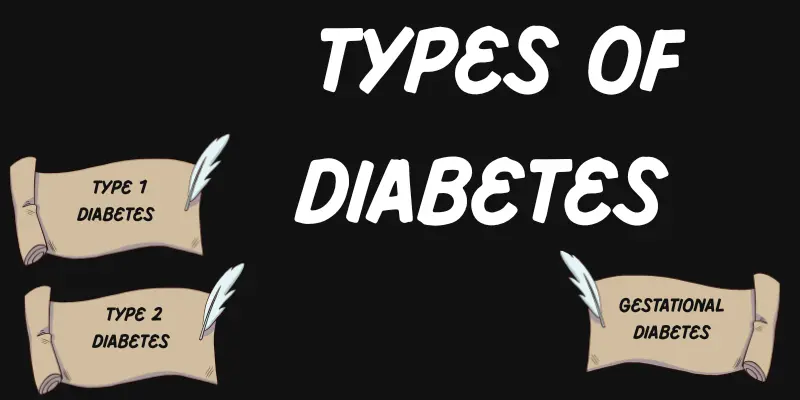
Main Types of Diabetes
Understanding the main types of diabetes is important because each type affects the body differently, has different causes, and requires different management. Knowing the differences helps people recognize symptoms early, understand risk factors, and make informed decisions about their health.
Here are the major types of diabetes explained clearly:
1. Type 1 Diabetes
Type 1 diabetes is an autoimmune condition where the body attacks the insulin-producing cells in the pancreas. As a result, the body cannot produce enough insulin, leading to high blood sugar levels.
Key points:
- Usually diagnosed in children, teens, or young adults
- Lifelong insulin therapy is required
- Common symptoms: increased thirst, frequent urination, fatigue, weight loss
- Causes are mainly autoimmune and genetic
Type 1 is less common but can develop quickly. Early detection is important to prevent complications.
2. Type 2 Diabetes
Type 2 diabetes is the most common form of diabetes. It occurs when the body cannot use insulin effectively (insulin resistance) or does not produce enough insulin. Lifestyle factors and genetics play a major role.
Key points:
- Usually develops in adults, but children are increasingly affected
- Can often be managed with a healthy lifestyle, medication, or insulin in advanced stages
- Common symptoms: increased thirst, frequent urination, fatigue, blurred vision, slow-healing wounds
- Risk factors: obesity, sedentary lifestyle, family history, age
Type 2 develops gradually, so understanding early signs is crucial for prevention and management.
3. Gestational Diabetes
Gestational diabetes occurs during pregnancy when the body cannot produce enough insulin to handle increased blood sugar levels.
Key points:
- Usually develops between the 24th and 28th week of pregnancy
- Often resolves after childbirth, but increases the risk of Type 2 diabetes later in life
- Common symptoms: often no clear symptoms, sometimes excessive thirst or frequent urination
- Risk factors: overweight, family history of diabetes, older maternal age
Gestational diabetes is important to monitor for both the mother’s and the baby’s health.
Less Common / Rare Types of Diabetes
While most people are familiar with Type 1, Type 2, and gestational diabetes, there are lesser-known and rare forms of diabetes that are equally important to understand. Knowing about these types can help with early detection, accurate diagnosis, and better management.
1. Prediabetes
Prediabetes is a condition where blood sugar levels are higher than normal but not high enough to be classified as diabetes. It is a warning stage that increases the risk of developing Type 2 diabetes.
Key points:
- Often has no obvious symptoms
- Can be detected through fasting blood sugar or A1C tests
- Risk factors: overweight, sedentary lifestyle, family history
- Early lifestyle changes can prevent progression to Type 2 diabetes
2. MODY (Maturity-Onset Diabetes of the Young)
MODY is a rare genetic form of diabetes caused by single-gene mutations. It usually develops before age 25 and is often misdiagnosed as Type 1 or Type 2.
Key points:
- Strong family history (runs in families)
- Often does not require insulin
- Can be diagnosed with genetic testing
- Early recognition helps in tailored treatment
3. Neonatal Diabetes
Neonatal diabetes occurs in infants under six months old. It is extremely rare but requires careful management.
Key points:
- Caused by genetic mutations affecting insulin production
- Symptoms: dehydration, frequent urination, poor weight gain
- Can be temporary or permanent
- Early diagnosis is crucial for proper treatment
4. LADA (Latent Autoimmune Diabetes in Adults)
LADA is sometimes called Type 1.5 diabetes. It develops in adults and progresses more slowly than Type 1, often initially mistaken for Type 2.
Key points:
- Autoimmune attack on insulin-producing cells
- Usually appears in adults over 30
- May require insulin treatment over time
- Early detection can prevent complications
5. Type 3c Diabetes
Type 3c diabetes occurs due to pancreatic diseases or damage, such as pancreatitis, pancreatic surgery, or cystic fibrosis.
Key points:
- Often misdiagnosed as Type 2 diabetes
- Symptoms: fatigue, excessive thirst, frequent urination
- Management focuses on insulin therapy and treating underlying pancreatic issues
Why Knowing Rare Types Matters
Understanding these lesser-known diabetes types helps individuals and healthcare providers:
- Detect conditions early
- Avoid misdiagnosis
- Choose the right management approach
This section ensures that your article covers everything your competitors miss, making it more authoritative and useful for readers searching for the types of diabetes.
Symptoms Across Types
Recognizing the common symptoms of diabetes is important because early detection can prevent complications. While some symptoms overlap across all types, certain signs may be more noticeable depending on whether it’s Type 1, Type 2, gestational, or rare forms.
Here are the main symptoms to watch for:
Common Symptoms Across Most Types
- Increased thirst: feeling unusually thirsty throughout the day
- Frequent urination: especially at night
- Unexplained fatigue: feeling tired without reason
- Blurred vision: difficulty focusing or seeing clearly
- Unexplained weight change: sudden loss (Type 1) or gain (Type 2)
Symptoms Specific to Certain Types
- Type 1 Diabetes: rapid weight loss, nausea, vomiting, sometimes fruity-smelling breath (sign of diabetic ketoacidosis)
- Type 2 Diabetes: slow-healing wounds, frequent infections, dark patches on skin (acanthosis nigricans)
- Gestational Diabetes: usually mild or no symptoms; detected through routine pregnancy screening
- Rare Types (MODY, LADA, Type 3c, Neonatal): symptoms vary by type, may mimic Type 1 or Type 2, but often require genetic or specialized testing for accurate detection
Causes & Risk Factors
Understanding the causes and risk factors of diabetes helps you prevent or manage the condition effectively. Different types of diabetes have different triggers, but some common factors affect everyone.
Type 1 Diabetes
- Cause: Autoimmune attack destroys insulin-producing cells in the pancreas
- Risk factors:
- Family history of Type 1 diabetes
- Genetic predisposition
- Possibly triggered by viral infections
- Family history of Type 1 diabetes
Type 2 Diabetes
- Cause: Insulin resistance + insufficient insulin production
- Risk factors:
- Overweight or obesity
- Sedentary lifestyle
- Unhealthy diet high in sugar and fat
- Family history of Type 2 diabetes
- Age (risk increases after 45 years)
- Overweight or obesity
Gestational Diabetes
- Cause: Hormonal changes during pregnancy reduce insulin effectiveness
- Risk factors:
- Overweight before pregnancy
- Family history of diabetes
- Age over 25 years
- Previous gestational diabetes
- Overweight before pregnancy
Rare & Genetic Types (MODY, LADA, Neonatal, Type 3c)
- Cause: Genetic mutations, pancreatic diseases, or autoimmune attack
- Risk factors:
- Strong family history
- Pancreatic disorders (inflammation, surgery, cystic fibrosis)
- Certain medications (steroids, immunosuppressants)
- Strong family history
Diagnosis of Diabetes
Diagnosing diabetes is essential to determine the correct type and start the right management plan. The process is simple and usually involves blood tests that check your blood sugar levels.
Common Diagnostic Tests
- Fasting Blood Sugar Test: Measures blood glucose after 8 hours of fasting.
- Random Blood Sugar Test: Measures glucose at any time of the day.
- A1C Test: Shows the average blood sugar level over the past 2–3 months.
- Oral Glucose Tolerance Test (OGTT): Measures how your body responds to sugar, often used for gestational diabetes.
- Autoantibody Tests: Helps distinguish Type 1 and LADA from other types.
Basic Management for Each Type
Managing diabetes depends on the type and individual health needs. Understanding basic management helps in controlling blood sugar, preventing complications, and improving quality of life.
1. Type 1 Diabetes
- Insulin Therapy: Daily insulin injections or an insulin pump are essential.
- Blood Sugar Monitoring: Regular checking to maintain target levels.
- Healthy Lifestyle: A balanced diet and moderate exercise support insulin therapy.
- Education: Learn to recognize signs of high or low blood sugar.
2. Type 2 Diabetes
- Lifestyle Changes: Healthy diet, regular physical activity, and weight management.
- Medications: Oral drugs or insulin if lifestyle changes aren’t enough.
- Regular Checkups: Monitor blood sugar, blood pressure, and cholesterol.
- Preventive Care: Screen for complications like kidney or eye problems.
3. Gestational Diabetes
- Diet & Exercise: Focus on balanced meals and gentle exercise approved by doctors.
- Blood Sugar Monitoring: Regular checks during pregnancy.
- Medical Support: Sometimes insulin or medications may be required.
- Post-Pregnancy Care: Monitor for Type 2 diabetes after childbirth.
4. Rare & Lesser-Known Types (MODY, LADA, Neonatal, Type 3c)
- Individualized Treatment: Depends on genetic or pancreatic cause.
- Monitoring: Regular blood sugar checks are essential.
- Medical Guidance: Early consultation with specialists improves outcomes.
- Lifestyle Support: Healthy eating and activity may support management.
Conclusion
Understanding the types of diabetes is essential for everyone, not just those affected by the condition. Each type — from Type 1, Type 2, and gestational, to rarer forms like MODY, LADA, and Type 3c — has unique causes, symptoms, and management approaches.
Early recognition, accurate diagnosis, and proper management can prevent complications and improve quality of life. By knowing the different types of diabetes, you can make informed decisions about your health, support loved ones, and stay aware of potential risks.
Remember, while this guide provides educational information, always consult a healthcare professional for diagnosis and personalized treatment.
Frequently Asked Questions (FAQ)
Type 1 diabetes is an autoimmune condition where the body cannot produce insulin, usually diagnosed in children or young adults.
Type 2 diabetes occurs when the body cannot use insulin properly (insulin resistance) or produces insufficient insulin, often linked to lifestyle and genetics.
Yes! Prediabetes can often be reversed with lifestyle changes such as a healthy diet, regular exercise, and maintaining a healthy weight. Early detection is key.
LADA (Latent Autoimmune Diabetes in Adults) is similar to Type 1 because it involves autoimmune attack on insulin-producing cells, but it develops slowly in adults and may initially resemble Type 2 diabetes.
Rare types include MODY (genetic diabetes), neonatal diabetes (in infants under 6 months), and Type 3c (caused by pancreatic diseases). These require specialized diagnosis and treatment.
Diabetes is diagnosed through blood tests, including fasting blood sugar, A1C, oral glucose tolerance test (OGTT), and sometimes autoantibody tests for Type 1 or LADA.
Gestational diabetes can increase the risk of high birth weight, preterm birth, and future Type 2 diabetes in both mother and child. Proper monitoring during pregnancy reduces these risks.






- Be Respectful
- Stay Relevant
- Stay Positive
- True Feedback
- Encourage Discussion
- Avoid Spamming
- No Fake News
- Don't Copy-Paste
- No Personal Attacks
- Be Respectful
- Stay Relevant
- Stay Positive
- True Feedback
- Encourage Discussion
- Avoid Spamming
- No Fake News
- Don't Copy-Paste
- No Personal Attacks
