Types of Blood Pressure Explained: Normal, High & Low BP Guide
Published: 10 Apr 2026
Blood pressure is an important part of your health. It shows how strongly your blood pushes against your arteries. If your blood pressure is too high or too low, it can cause serious health problems.
In this guide, you will learn about the types of blood pressure, their symptoms, causes, and how to control them.
What is Blood Pressure?
Blood pressure is the force of blood pushing against the walls of your arteries as your heart pumps it around your body. It helps carry oxygen and nutrients to all parts of your body so your organs can work properly. Blood pressure is written in two numbers, like 120/80 mmHg. The first number (systolic) shows the pressure when your heart beats, and the second number (diastolic) shows the pressure when your heart relaxes between beats. If this pressure becomes too high or too low, it can affect your health. That’s why keeping your blood pressure in a normal range is very important for a healthy life.
Types of Blood Pressure
Blood pressure is not just one condition. It has different types based on how high or low the readings are. Each type shows a different health situation. Let’s understand them in a simple and clear way.
1. Normal Blood Pressure
Normal blood pressure means your heart and blood flow are working in a healthy way. In this condition, blood moves smoothly through your arteries without putting extra pressure on them.
A normal reading is usually around 120/80 mmHg or lower. If your blood pressure stays in this range, your risk of heart disease and other problems is low.
Key Points:
- Healthy and ideal condition
- No major health risk
- The heart works efficiently
- No symptoms in most cases
2. Elevated Blood Pressure (Prehypertension)
Elevated blood pressure is the early warning stage. It means your blood pressure is slightly higher than normal but not high enough to be called hypertension.
In this stage, the systolic number is between 120 and 129, while the diastolic number is still below 80. Many people ignore this stage, but it is important to take it seriously.
Key Points:
- Slightly higher than normal BP
- No clear symptoms
- Warning sign for future problems
- Can turn into high BP if ignored
3. High Blood Pressure (Hypertension)
High blood pressure happens when the force of blood is consistently too strong. This puts extra pressure on your arteries and heart, which can lead to serious health problems over time.
A reading of 130/80 mmHg or higher is considered high. One important thing to know is that high blood pressure often has no clear symptoms, which is why it is called a “silent killer.”
Key Points:
- Dangerous if not controlled
- Increases the risk of heart disease and stroke
- Often has no early symptoms
- Needs proper treatment and lifestyle changes
4. Low Blood Pressure (Hypotension)
Low blood pressure means the blood flow is weaker than normal. Because of this, your body may not get enough oxygen and nutrients quickly.
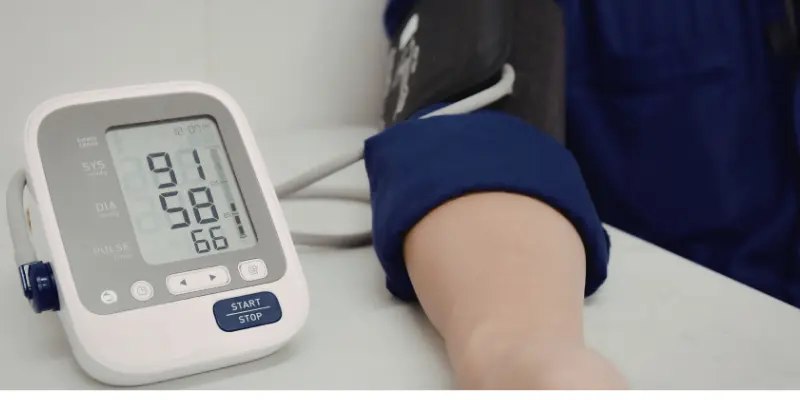
A reading below 90/60 mmHg is considered low. Some people naturally have low BP, but if it causes symptoms, it should be checked.
Key Points:
- Blood flow becomes slow
- Can cause dizziness and weakness
- May lead to fainting
- Needs attention if symptoms appear
Stages of High Blood Pressure
High BP has further stages:
- Stage 1: 130–139 / 80–89
- Stage 2: 140/90 or higher
- Hypertensive Crisis: 180+ (emergency)
Causes of Blood Pressure Problems
Common causes include:
- Stress
- Unhealthy diet (too much salt)
- Lack of exercise
- Obesity
- Smoking
Symptoms of Blood Pressure Problems
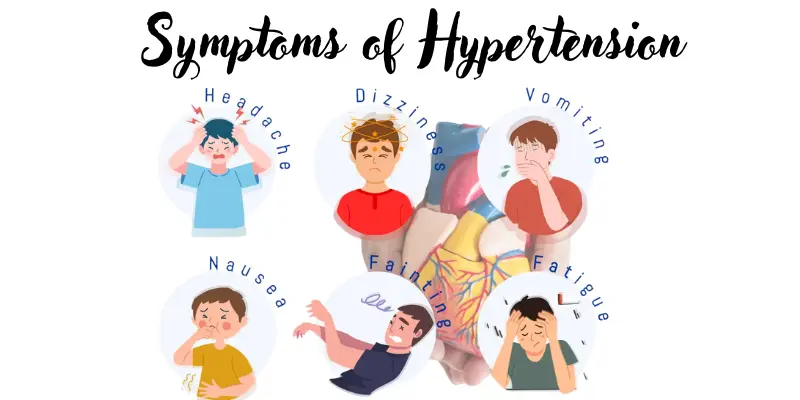
- Headache, especially in the morning or during stress
- Dizziness or feeling lightheaded
- Blurred or weak vision
- Chest pain or discomfort
- Shortness of breath during normal activity
- Feeling very tired or having low energy
- Nausea or feeling sick in the stomach
- Nose bleeding (in severe high-BP cases)
- Weakness or fainting (more common in low BP)
- Cold hands and sweating in low blood pressure
Symptoms of Low Blood Pressure
- Dizziness or feeling lightheaded
- Weakness or sudden tiredness
- Blurred or unclear vision
- Fainting or near-fainting feeling
- Nausea or upset stomach
- Cold, clammy (sweaty) skin
- Difficulty in concentrating or confusion
- Rapid or shallow breathing
- Feeling very thirsty
- Lack of energy even after rest
How to Control Blood Pressure (Easy Tips)
You can control BP with simple steps:
- Eat healthy food
- Reduce salt
- Exercise daily
- Avoid stress
- Drink enough water
Conclusion
Blood pressure is an important part of your overall health. It shows how well your heart is working to pump blood in your body. When blood pressure stays in a normal range, your body functions properly, and you feel active and healthy. But if it becomes too high or too low, it can lead to serious health problems if ignored.
The good thing is that blood pressure can be controlled with a healthy lifestyle, a balanced diet, regular exercise, and routine checkups. Early awareness and care can help you avoid major risks in the future. Always pay attention to your body signals and never ignore unusual symptoms.
Frequently Asked Questions (FAQs)
The three main types of blood pressure are:
- Normal Blood Pressure: Healthy range (around 120/80 mmHg).
- High Blood Pressure (Hypertension): BP is too high and can harm the body.
- Low Blood Pressure (Hypotension): BP is too low and may cause weakness or dizziness.
No, 140/90 mmHg is not normal blood pressure. It is considered high blood pressure (hypertension). At this level, your heart is working harder than normal, which can increase the risk of heart disease, stroke, and other health problems if it is not controlled. It is important to monitor it regularly, reduce salt intake, stay active, and consult a doctor for proper advice.
Blood pressure is divided into five main categories based on its reading:
- Normal: Healthy blood pressure around 120/80 mmHg.
- Elevated: Slightly higher than normal, warning stage.
- Stage 1 Hypertension: Mild high blood pressure (130–139 / 80–89).
- Stage 2 Hypertension: More serious high blood pressure (140/90 or higher).
The danger zone of high blood pressure is when the reading reaches 180/120 mmHg or higher. This is called a hypertensive crisis. At this level, the heart and blood vessels are under extreme pressure, which can quickly lead to serious problems like stroke, heart attack, or organ damage. If blood pressure stays in this range, it is a medical emergency and needs immediate treatment.



- Be Respectful
- Stay Relevant
- Stay Positive
- True Feedback
- Encourage Discussion
- Avoid Spamming
- No Fake News
- Don't Copy-Paste
- No Personal Attacks
- Be Respectful
- Stay Relevant
- Stay Positive
- True Feedback
- Encourage Discussion
- Avoid Spamming
- No Fake News
- Don't Copy-Paste
- No Personal Attacks
